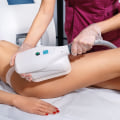
Nonsurgical fat reduction treatments can be part of a personal approach to body contouring, but the experience involves more than the physical changes that may occur. Providers can play an important role in helping patients establish realistic expectations and feel comfortable with their decisions throughout the process. Each person may have different reasons for considering treatment, whether they want to address a specific area, improve how clothing fits, or feel more confident in their appearance. Discussing individual goals before treatment allows providers to better understand what the patient hopes to achieve. Clear conversations about what a procedure can and cannot accomplish can also help patients approach their journey with realistic expectations rather than relying on unrealistic promises.
Creating a Comfortable Treatment Experience
Patient confidence can be strengthened when providers create an environment where questions and concerns are welcomed. Before beginning a nonsurgical fat reduction procedure, patients may want to understand how the treatment works, what sensations they might experience, how many sessions may be recommended, and when results are likely to become noticeable. Taking time to explain these details can reduce uncertainty and help patients feel more prepared. Providers can also check on comfort during appointments and provide appropriate aftercare guidance. When patients feel informed and respected, they are more likely to view the treatment process as a collaborative experience rather than something being done to them without their involvement.
Setting Realistic Expectations About Results
Results from nonsurgical fat reduction can develop gradually, and individual outcomes may vary. Providers can support confidence by explaining the expected timeline and emphasizing that treatment is generally intended for targeted body contouring rather than broad weight management. Photographs, measurements, or other appropriate methods of tracking progress may help patients evaluate changes more objectively over time. This can be especially useful when results are subtle or develop gradually. Focusing on realistic progress can prevent patients from becoming discouraged by comparisons with highly edited images or unrealistic portrayals of cosmetic procedures online. Honest guidance helps establish a healthier perspective on what successful treatment can look like.
Recognizing the Emotional Side of Appearance Goals
Concerns about appearance can sometimes affect self-esteem, social confidence, and emotional well-being. Providers should remain attentive to how patients describe their expectations and relationship with their appearance. Encouraging patients to focus on personal goals rather than external standards can help create a more positive treatment experience. When appropriate, individuals who need additional emotional support may benefit from speaking with qualified mental health professionals. Resources such as Cabot Psychological Services may be considered as part of a broader support network when psychological guidance is appropriate. This does not mean that cosmetic treatment and mental health care are the same, but recognizing emotional needs can contribute to more thoughtful, patient-centered support.
Encouraging Confidence Beyond Treatment
Ultimately, providers can help patients view nonsurgical fat reduction as one part of a broader approach to personal well-being rather than the sole source of confidence. Healthy routines, positive self-perception, realistic expectations, and supportive relationships can all influence how individuals feel about themselves. Providers can reinforce this perspective by celebrating realistic progress without suggesting that physical changes determine a person's value. By combining transparent education, attentive communication, individualized treatment planning, and awareness of emotional well-being, providers can create a more supportive experience. Confidence should come from feeling informed, respected, and comfortable with one's choices, allowing patients to approach their body-contouring journey with a balanced and realistic mindset.